Suite 206
Glendale, AZ, 85304
9:00 am - 5:00 pm
9:00 am - 5:00 pm
9:00 am - 5:00 pm
9:00 am - 5:00 pm
December 12, 2018
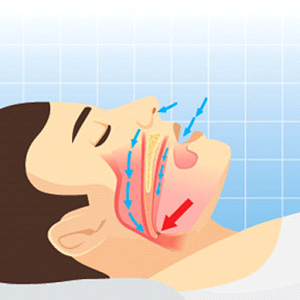
Many conditions are being linked to the sleep disorder called sleep apnea. But what is sleep apnea anyway? It is a general term that describes a condition where a person stops and starts breathing during sleep. Episodes of apnea can last just a few seconds and can happen once or twice up to 20 or even 30 times a night. It’s estimated that 22 million Americans have sleep apnea and most cases are undiagnosed.
(Read More)December 12, 2018
On a daily basis, dentists handle everything from routine exams to delicate root canals and oral surgery. Did you know that more and more dentists also evaluate and treat sleep apnea? Many patients might be surprised to hear their dentist ask about their sleep patterns, but in fact, your dentist and his or her team are one of the best resources for sleep apnea management.
(Read More)December 12, 2018
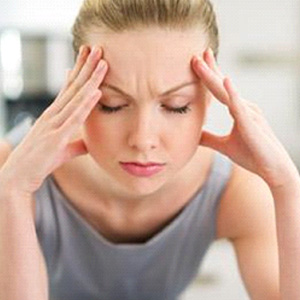
If you suspect you have sleep apnea, your dentist or doctor may suggest a polysomnogram or sleep study. General symptoms of sleep apnea may include daytime fatigue, insomnia, snoring, waking up with a gasp or startling yourself awake, waking with dry mouth, redness and other signs of irritation in your mouth and throat, and headache. If you regularly experience these symptoms, Click here to take our sleep survey, and tell your dentist or healthcare provider.
(Read More)December 11, 2018
Nighttime bruxism occurs when you clench or grind your teeth during sleep. Some studies estimated that almost 8% of adults grind their teeth at night. Occasional grinding may not be harmful but when it happens nightly, may be associated with moderate to severe dental damage, facial pain, and disturbed sleep. If you wake up with a sore jaw, head and neck pain or a morning headache, there is a chance you’re grinding your teeth during the night. In some patients, enlarged jaw muscles develop on the sides of the face from this nighttime grinding.
(Read More)December 11, 2018
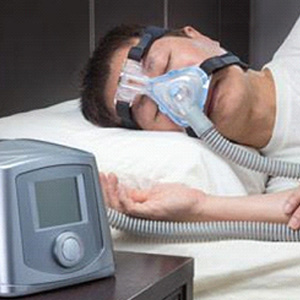
Some people don’t like wearing a CPAP mask for treatment of their sleep apnea. Even though it is considered the gold standard for treatment, many forgo treatment because they don’t care for the way the mask fits or feel claustrophobic wearing something over their nose and mouth during sleep. For patients that are prescribed CPAP machines, up to 86% don’t comply with treatment. But not treating sleep apnea can have significant side effects including diabetes, high blood pressure, hypertension, congestive heart failure, atrial fibrillation, coronary artery disease, daytime sleepiness, and even sudden cardiac death. Sleep apnea is a sleep disorder in which a person stops breathing periodically during sleep.
(Read More)November 19, 2018
There comes a time when the tides change, and we become a caregiver to those that raised us, drove us to soccer practice, dance recitals, and music lessons. They helped us brush our hair and taught us to brush our teeth. Now we are the ones helping with shopping, shuttling loved ones to doctor’s appointments, assisting with errands, and balancing checkbooks. One often overlooked (but just as important) task is helping your loved one maintain their oral health.
(Read More)