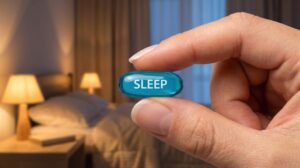
Sleep apnea can destroy the quality of your nightly rest and turn each day into an exhausting challenge. You may be ready to try anything that might help you sleep better; some people even try sleeping pills. But will they hurt or help your efforts to manage your sleep apnea? Continue reading below to discover the answer — it might surprise you!
Sleeping Pills May Worsen Your Apnea Episodes
At first, a sleeping pill may seem like a simple fix if you struggle to fall asleep. However, if you have sleep apnea, you could accidentally create a serious problem for yourself. Many sleep aids, including those with popular ingredients like benzodiazepines and diphenhydramine HCI, relax the muscles in your throat, which can make your airway more likely to narrow or collapse after you drift off. Some sedatives may also dull the reflex that prompts you to wake up and take a breath when your oxygen level drops.
That means you may not get the deep, restorative rest you want, even if you fall asleep faster. Instead, you could face more breathing interruptions, lower oxygen levels, louder snoring, and greater daytime fatigue.
Because of the risks involved, sleeping pills are generally not advised for patients with sleep apnea. However, there is limited research to suggest that temporarily taking a sleep aid while adjusting to a CPAP machine or oral appliance therapy might help some patients get into a good routine with their sleep apnea treatment.
Alternative Strategies for Falling Asleep and Enjoying High-Quality Rest
If you want better sleep, you have safer options than self-treatment with sedatives. Try these suggestions:
- Stick to your prescribed sleep apnea treatment plan. If you find it difficult to sleep with a CPAP, for example, you might ask your dentist if you are a candidate for a custom oral appliance that can help you keep your airway open.
- Follow a consistent sleep schedule. When you go to bed and wake up at the same time each day, you help your body maintain a steadier sleep rhythm.
- Create a bedroom that supports rest. A cool, dark, quiet space can make it easier for you to settle down at night.
- Limit caffeine late in the day, and avoid alcohol close to bedtime. Both can interfere with the quality and stability of your sleep.
- Explore cognitive behavioral therapy for insomnia, often called CBT-I. This evidence-based approach may help you change habits and thought patterns that keep you awake.
- Use simple relaxation methods before bed, such as calm breathing, light stretching, or quiet reading.
- Try not to use electronic devices while lying in bed. They can stimulate your brain and keep you awake.
If you have sleep apnea, try to stay away from sleeping pills! Instead, use other strategies to fall asleep and achieve high-quality rest.
Meet the Practice
At Go to Sleep Center for CPAP Alternatives, our team specializes in providing oral appliance therapy to help patients breathe easily each night and enjoy high-quality rest. If you are struggling to get enough rest each night, we can advise you on your next steps. Contact our Glendale office at 623-299-8799.

 Physicians
 Take a Sleep Study